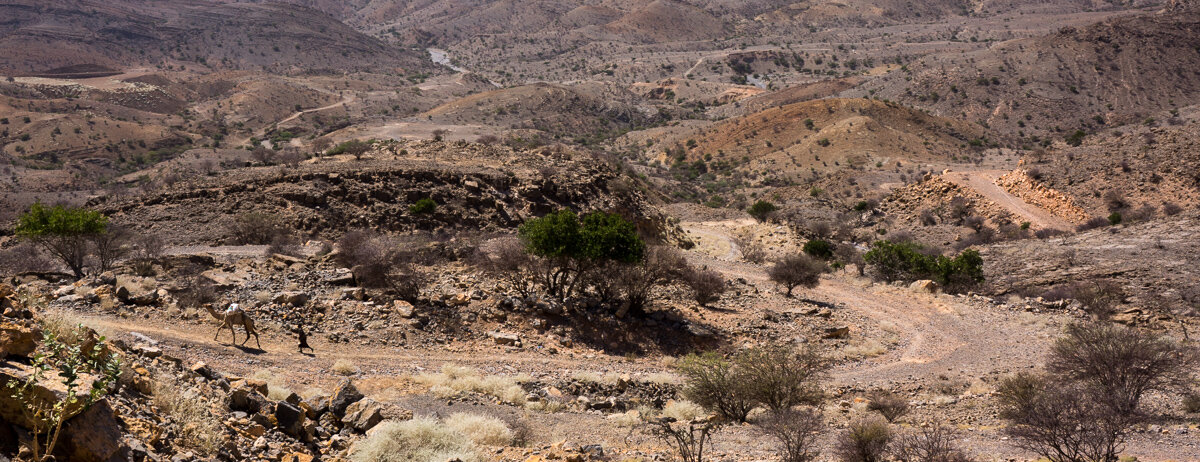
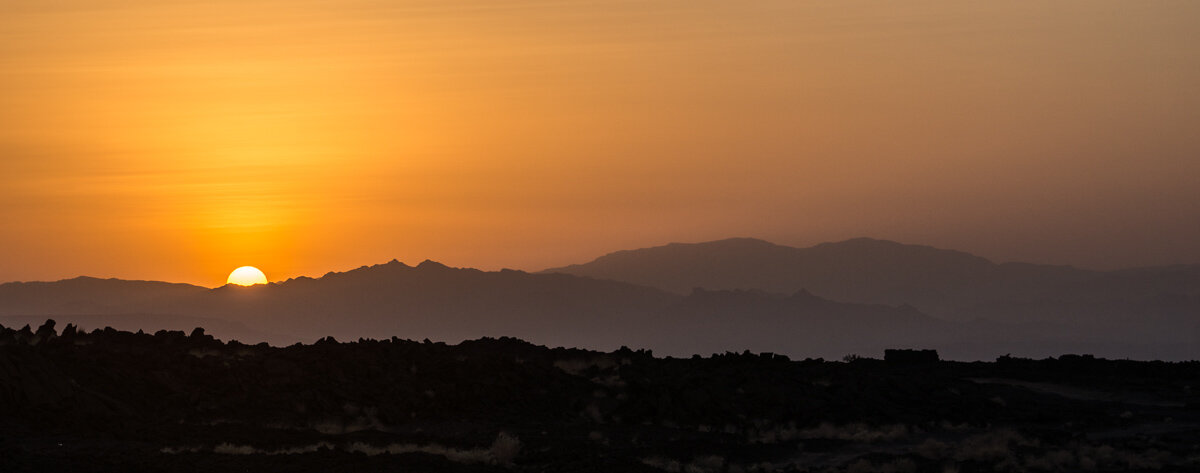
In January 2017 I was very lucky to have the chance to visit the Danakil Depression in NE Ethiopia: erupting volcanoes, deserts, acidic sulphur pits, camels and salt... lots and lots of salt...


The Danakil is the lowest point on the African continent at around -125m below sea level, and is the hottest place on earth when measured by daily average temperatures, with an average daily maximum of 41°C and average annual temperature of 34°C. It only reached a maximum warmish 39°C during our visit.

It was an amazing trip - camping under the stars by an erupting volcano, swimming in a salt lake, wandering round vast salt pans, breathing in fumes from psychedelically coloured sulphur pits, walking with salt laden camels... Only 4 days, but it was a packed trip.

I went with our friends Joanna and David from Addis Ababa, with whom we have been trekking before in 2015 in the (see the in the Ethiopian Simien mountains), and the trip was organised (magnificently!) by (the highly recommended!) Tefsa Tours. And while I'm name-checking, I need to say a 'uge thank you to Rashida for passing up her opportunity to visit the Danakil in order that I might go.

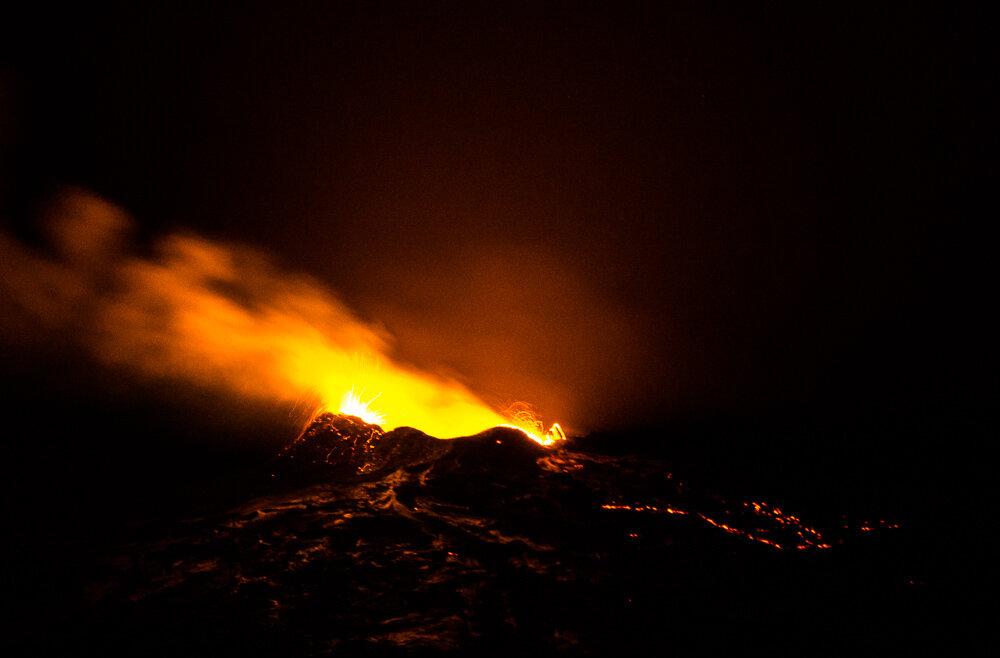
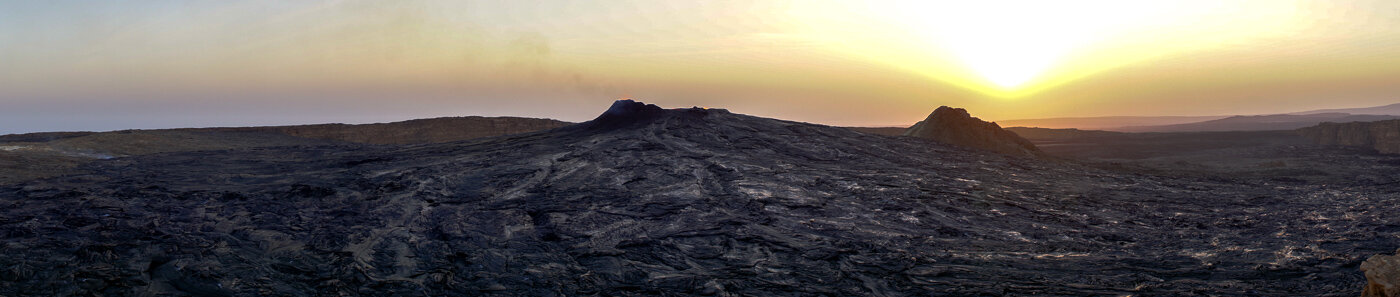
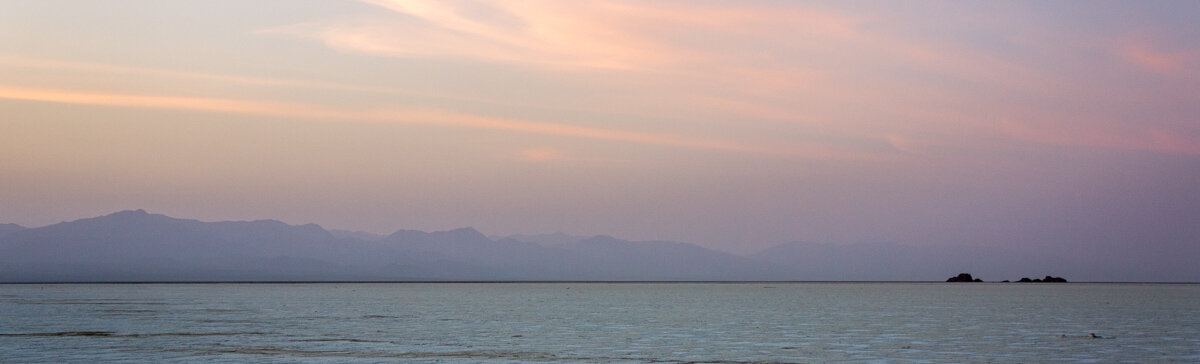
We flew into Mek'ele in the north of the country from Addis Ababa and then headed east into the Danakil Desert. We visited Erte Ale, a basaltic shield volcano which has had a lava lake at its summit since 1906. During our visit the volcano was more active than usual. Indeed, a couple of days later a new vent opened further down the flanks of the volcano which depleted the lava lake in the summit crater. After the exertion of climbing Erte Ale - at night to 1) avoid the heat of the day and 2) better experience the visually spectacular eruptions - we travelled a short way south to Lake Afrera where we swam in the hypersaline waters and visited the salt pans.

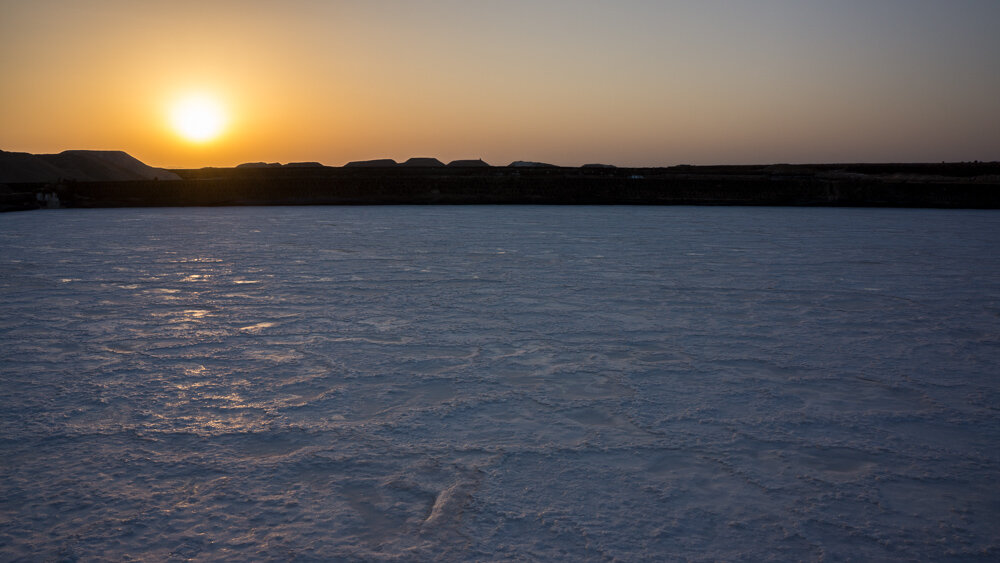
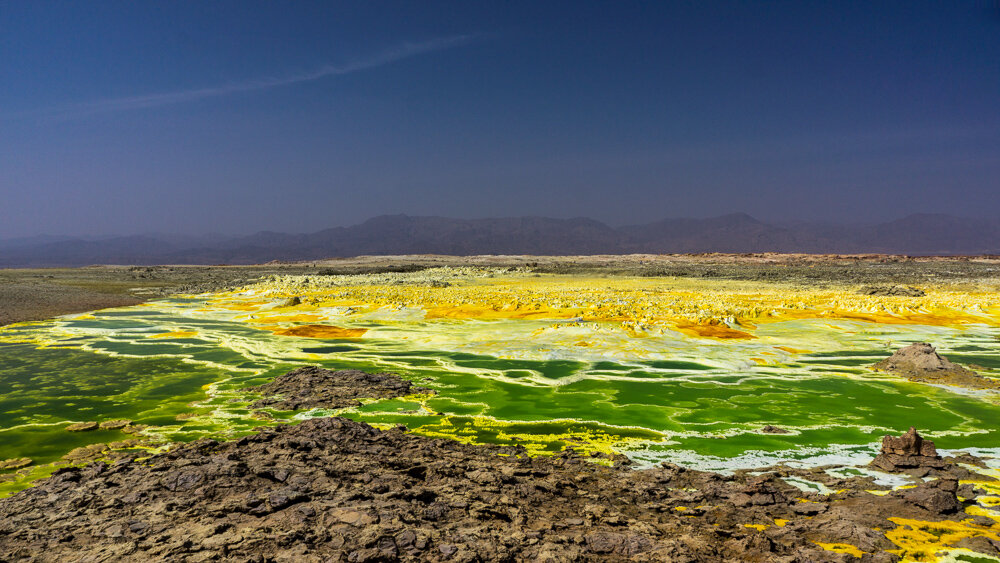
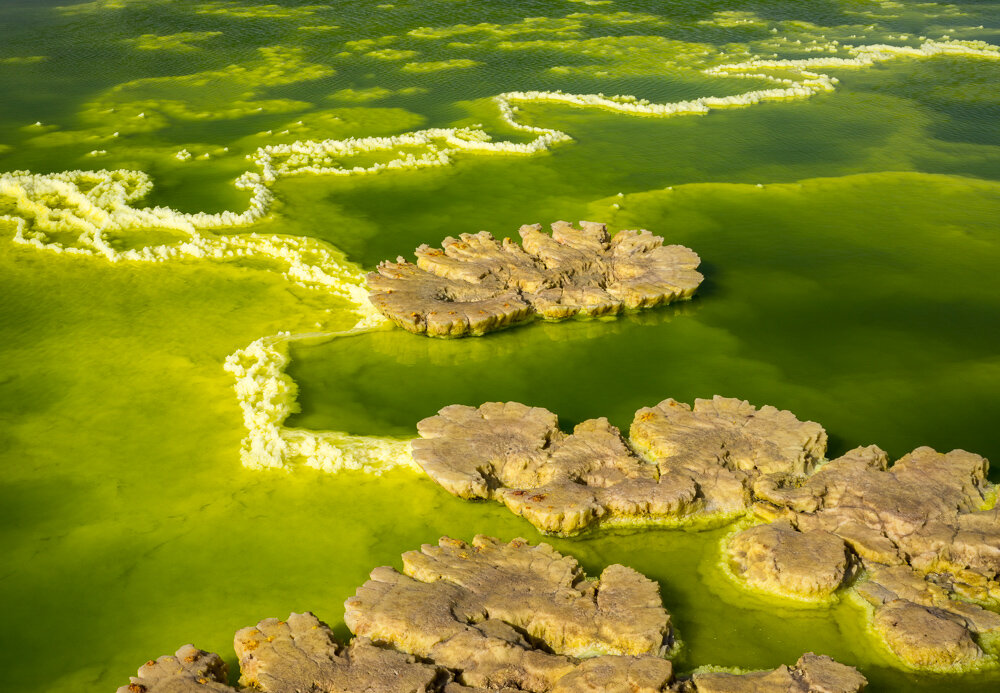
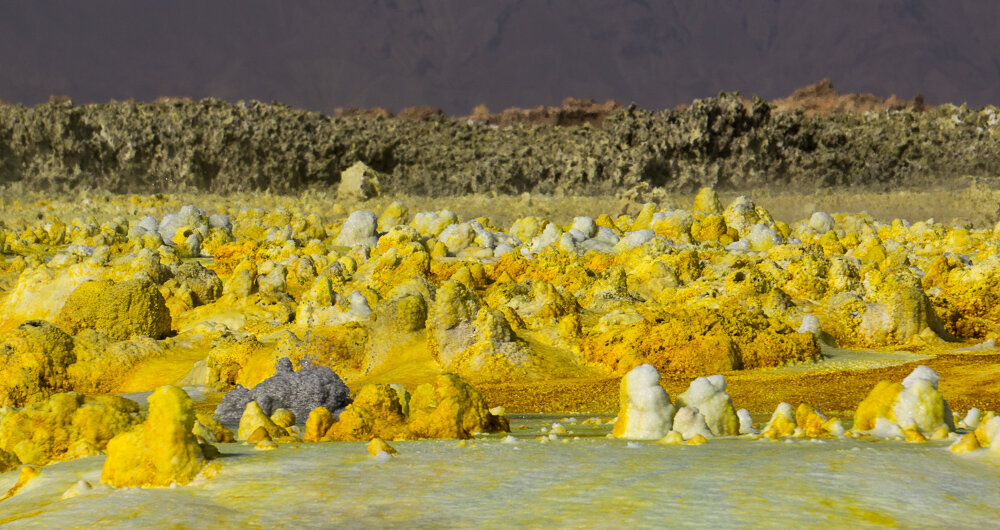
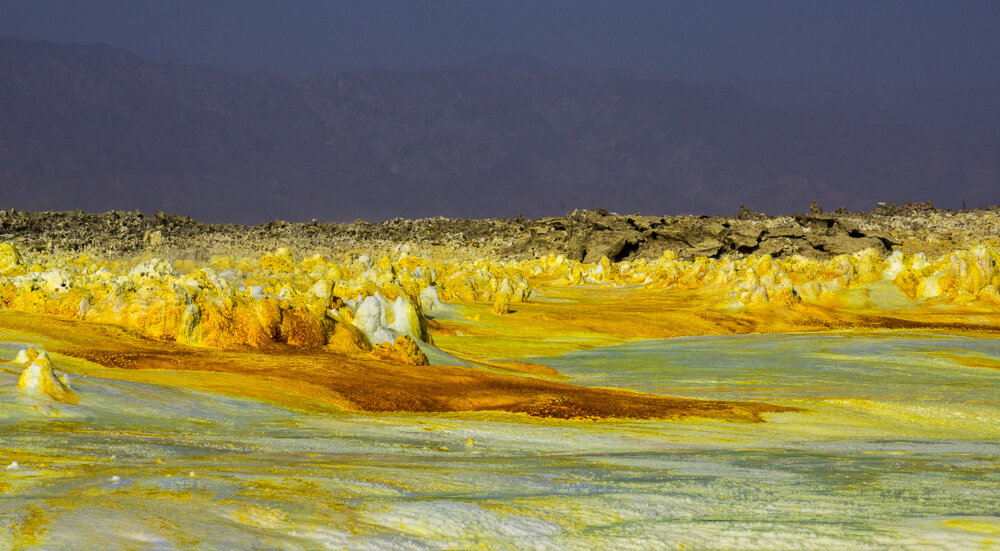
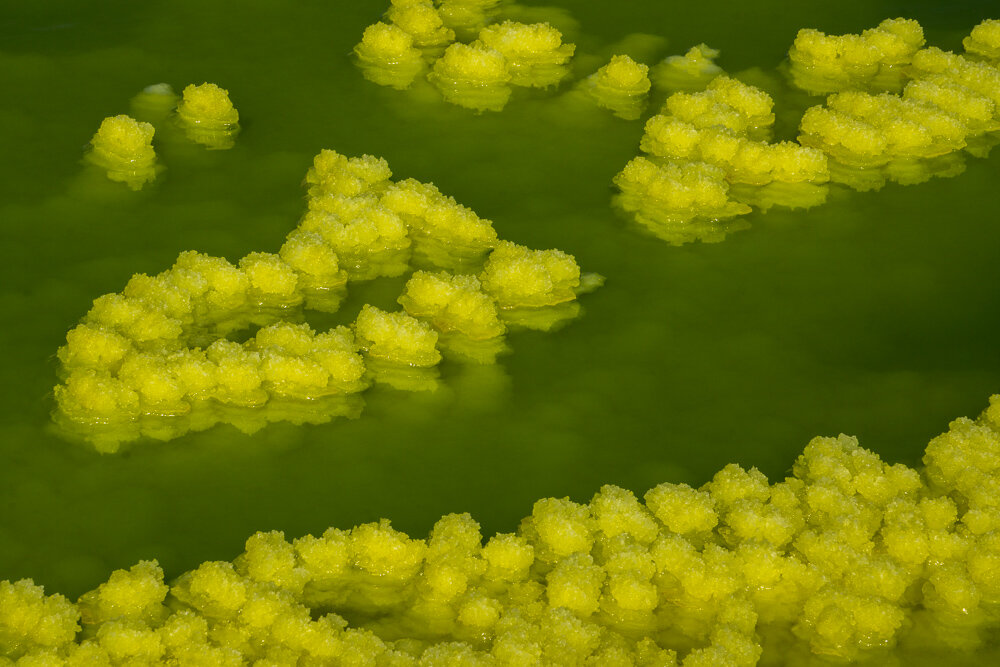
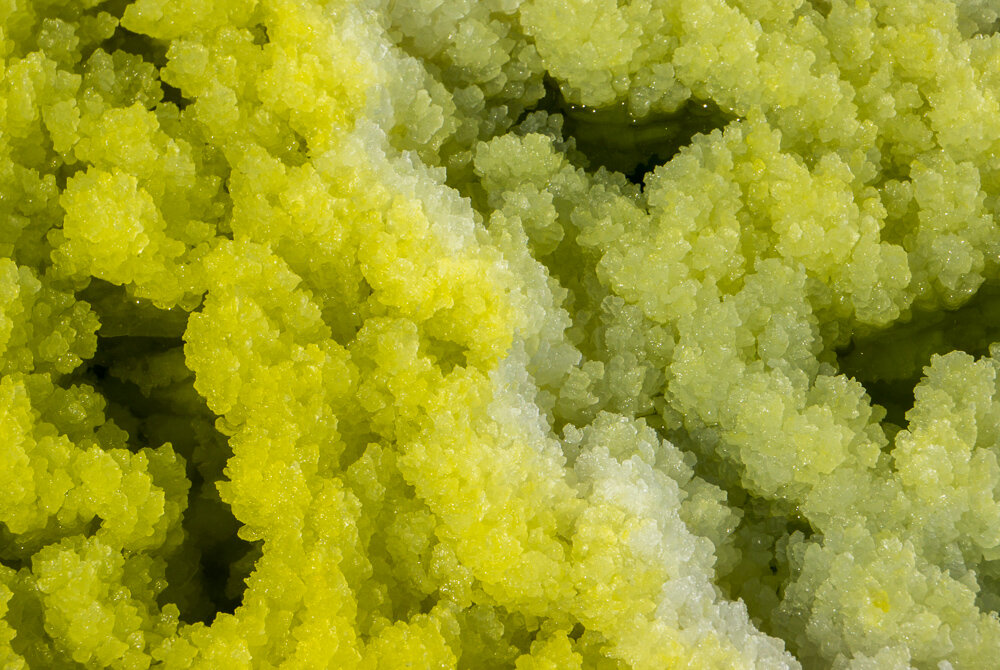
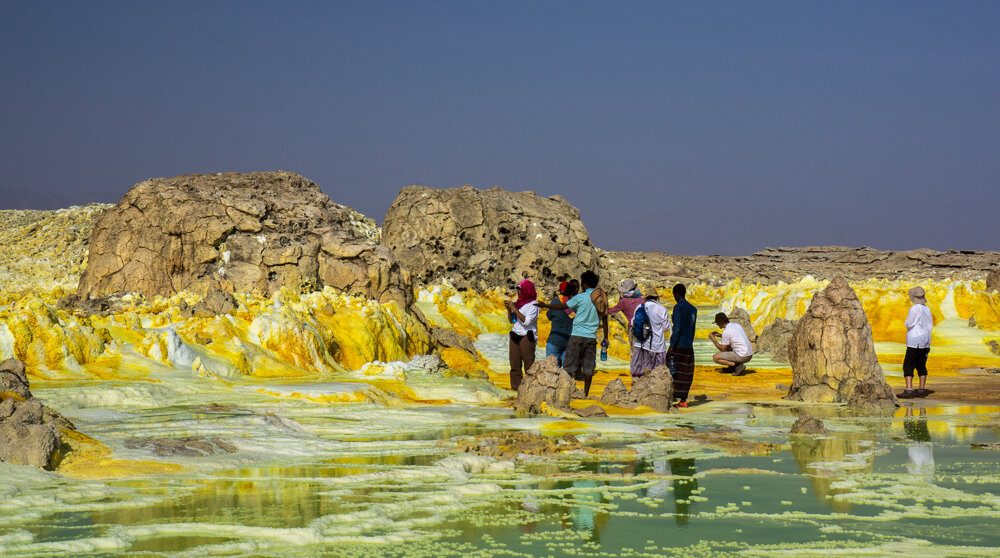
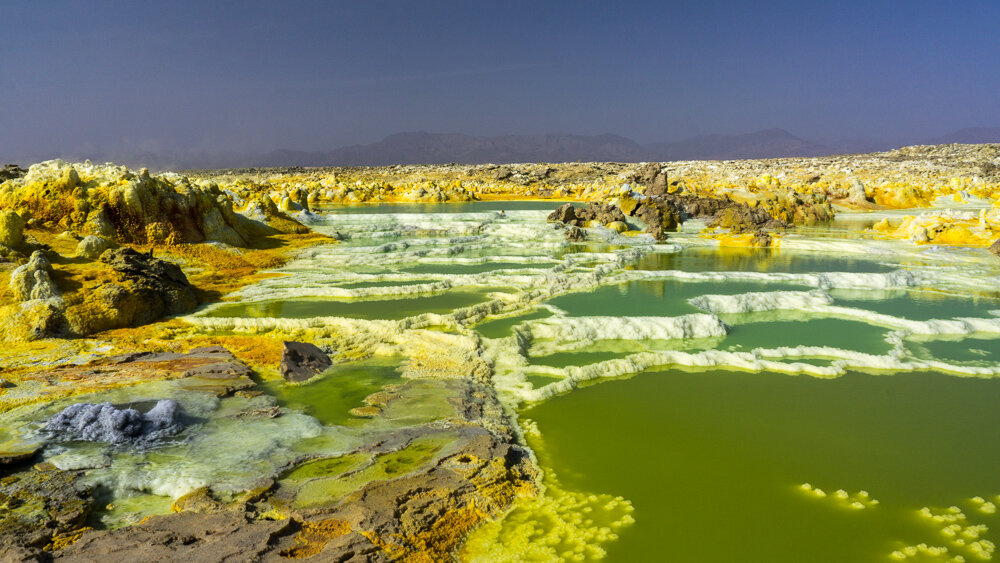
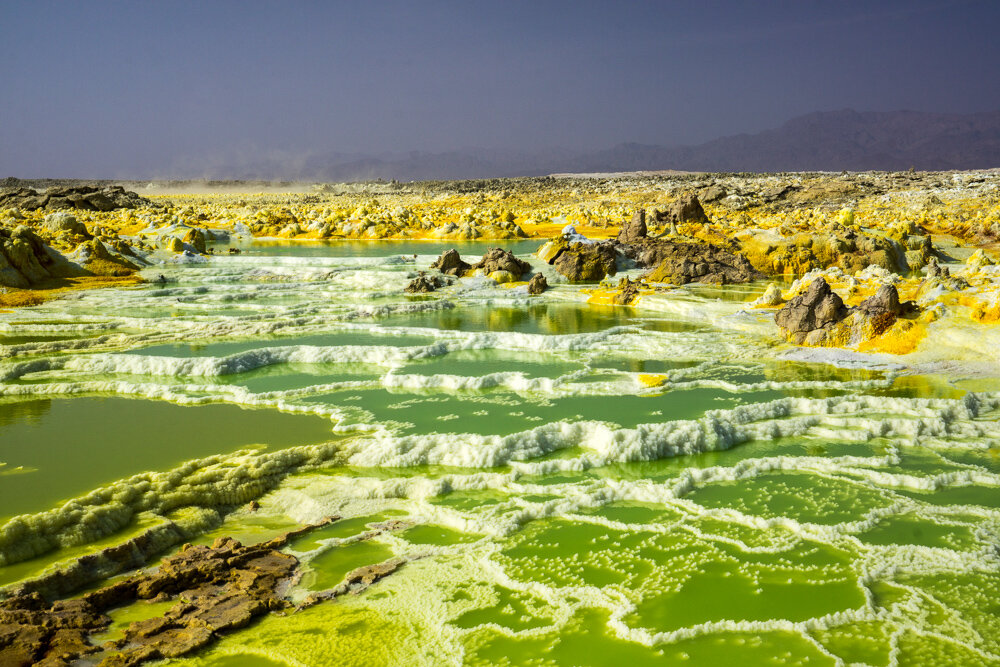
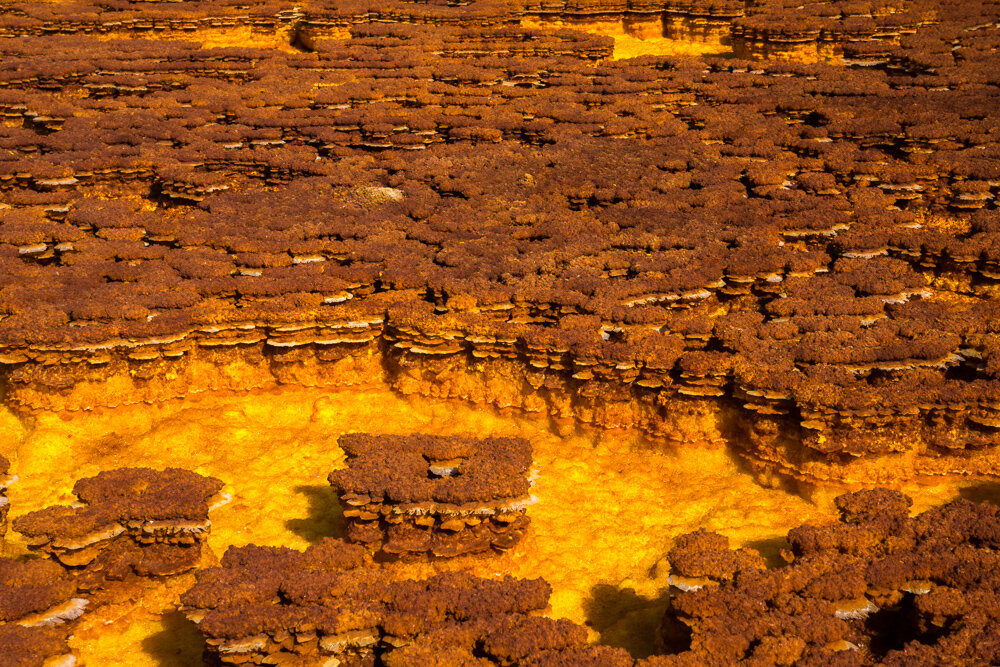
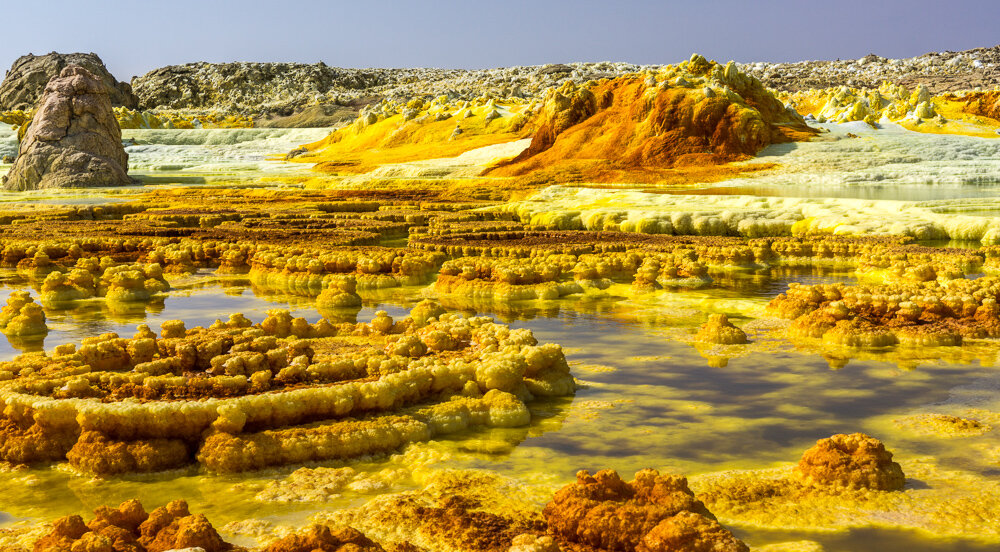
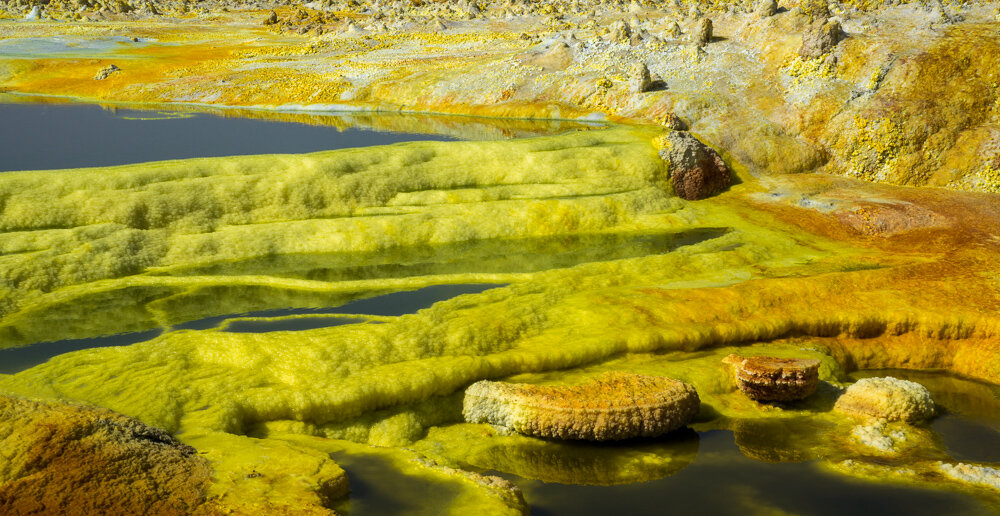
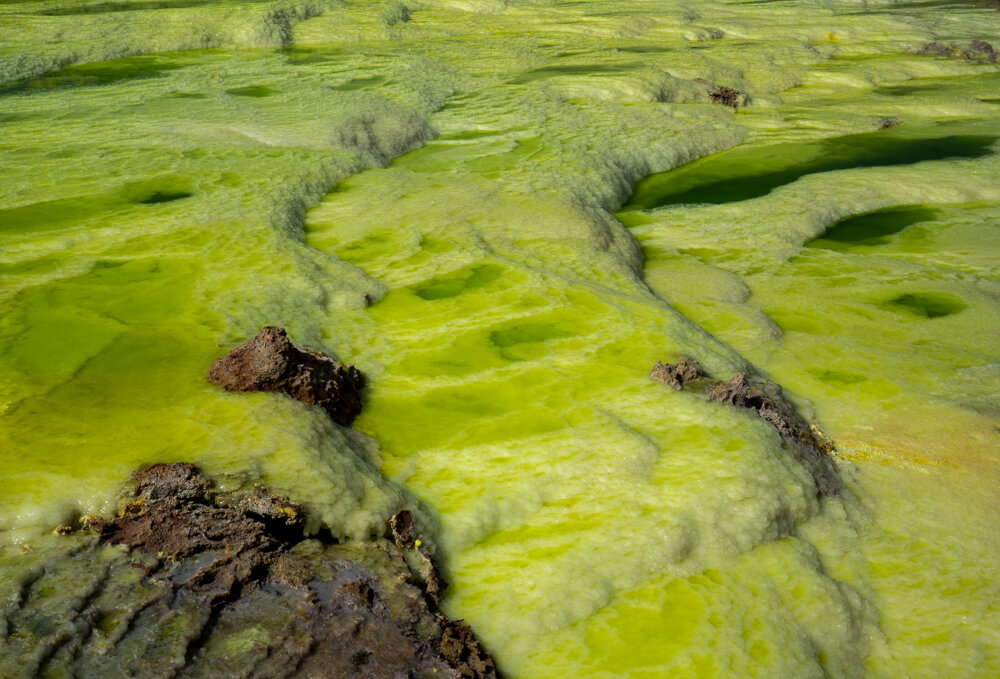
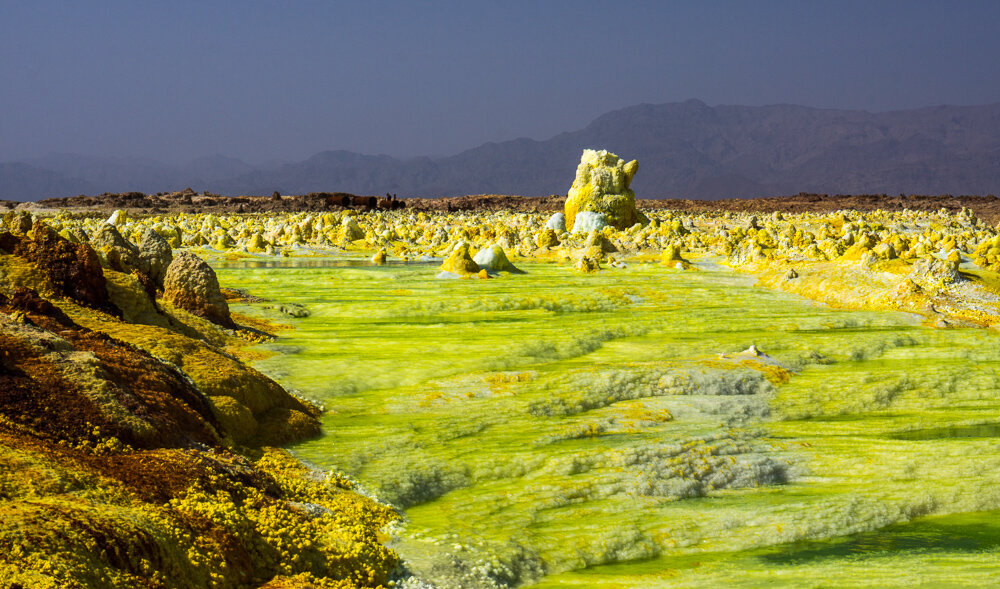
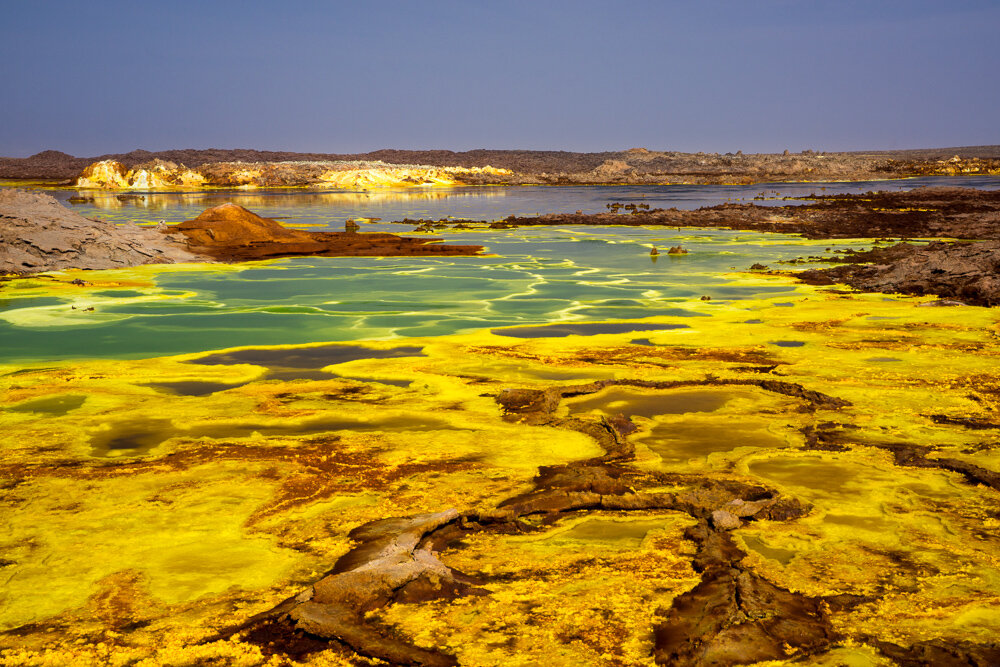
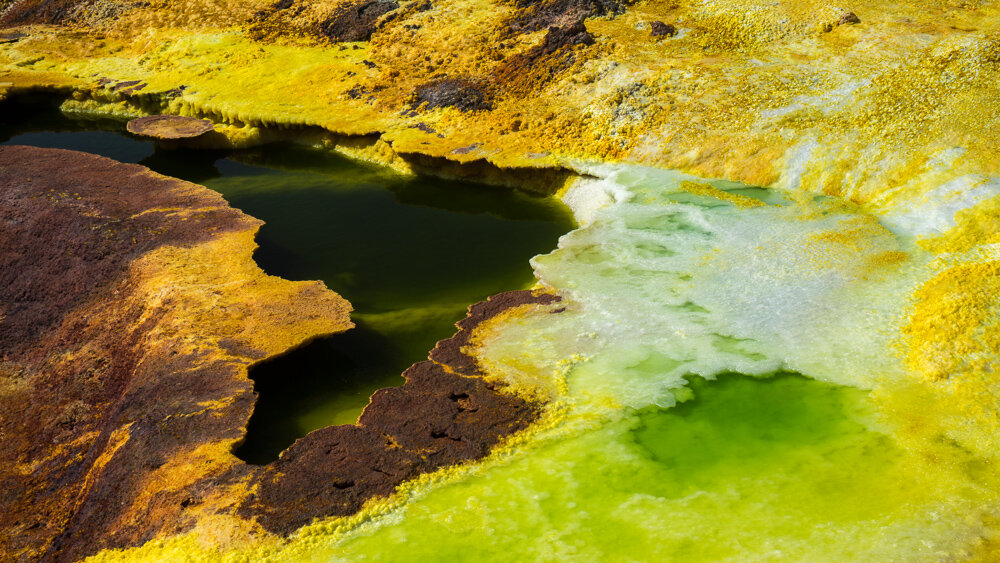
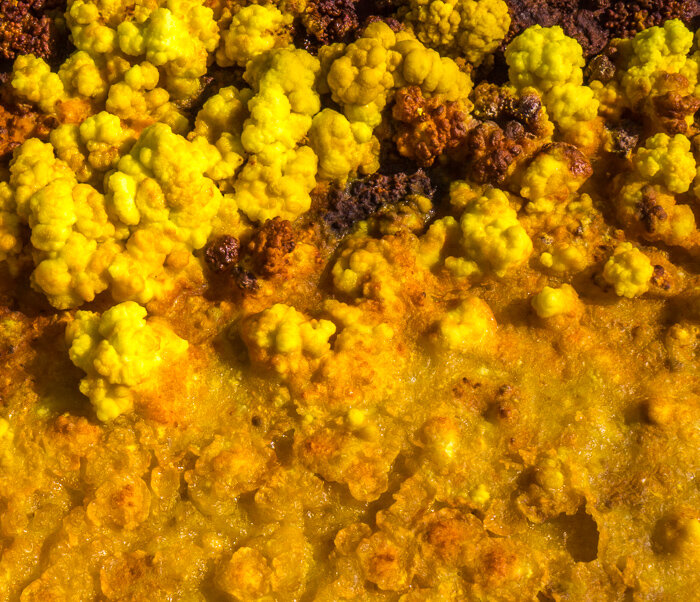
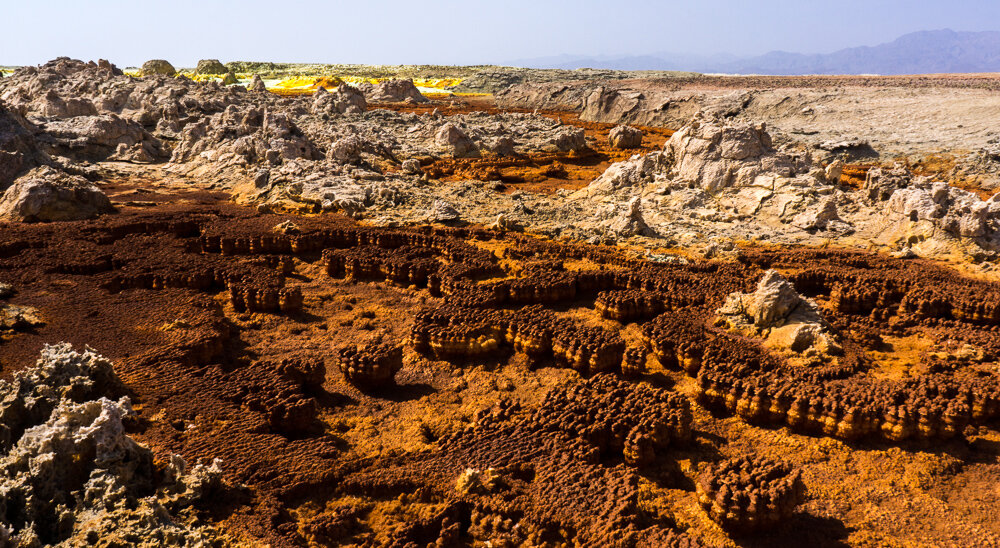
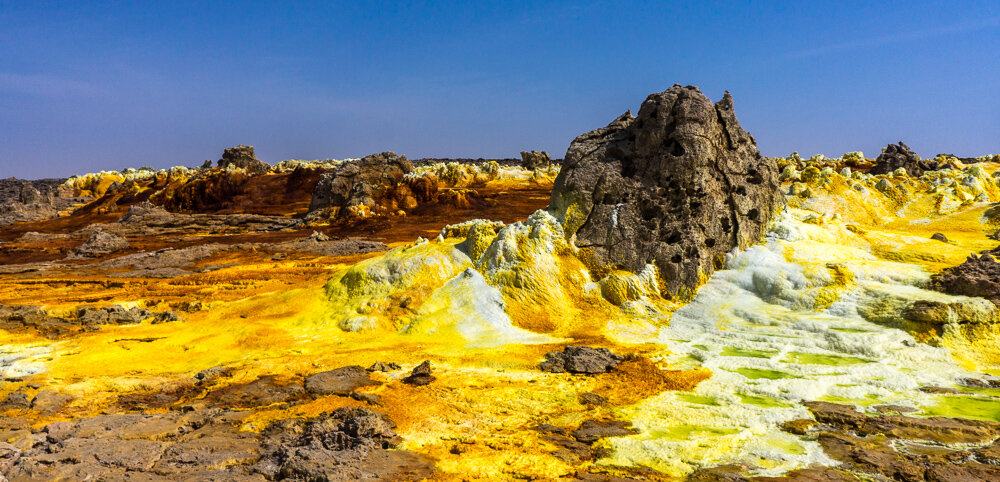
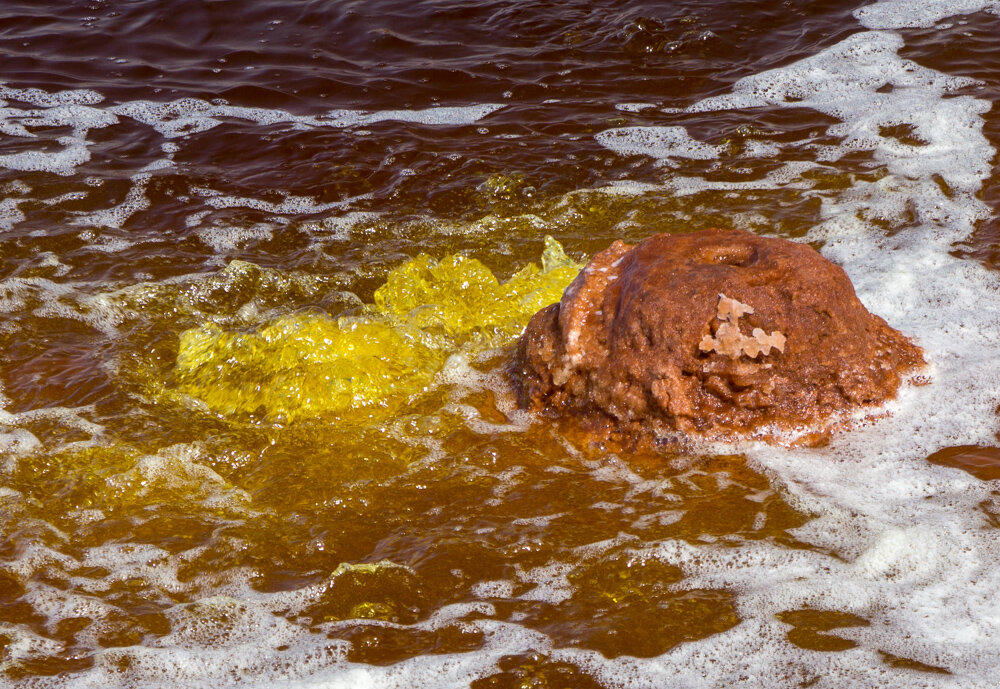
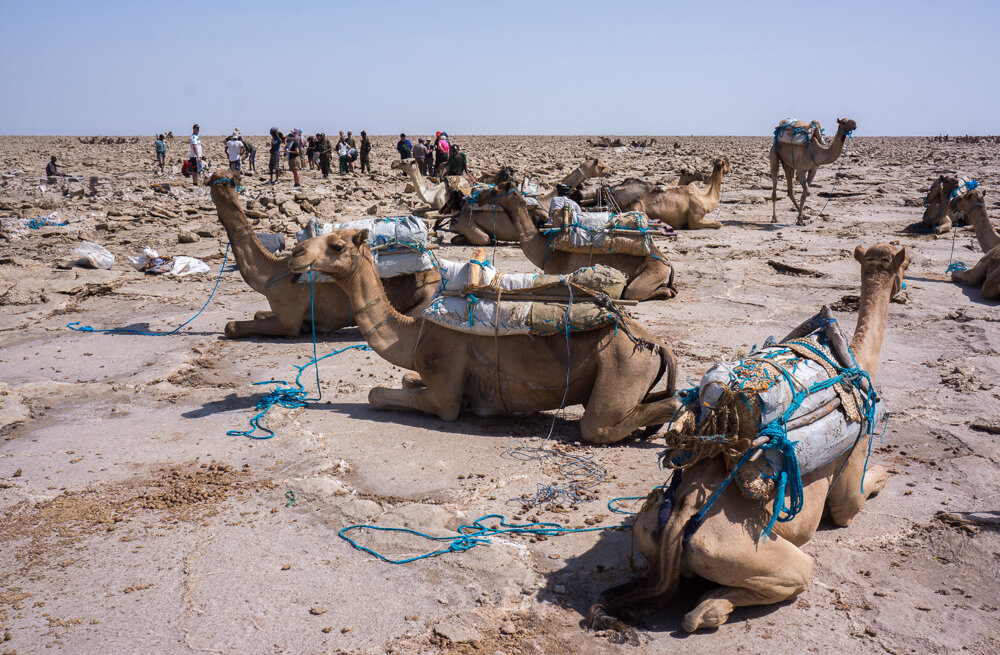
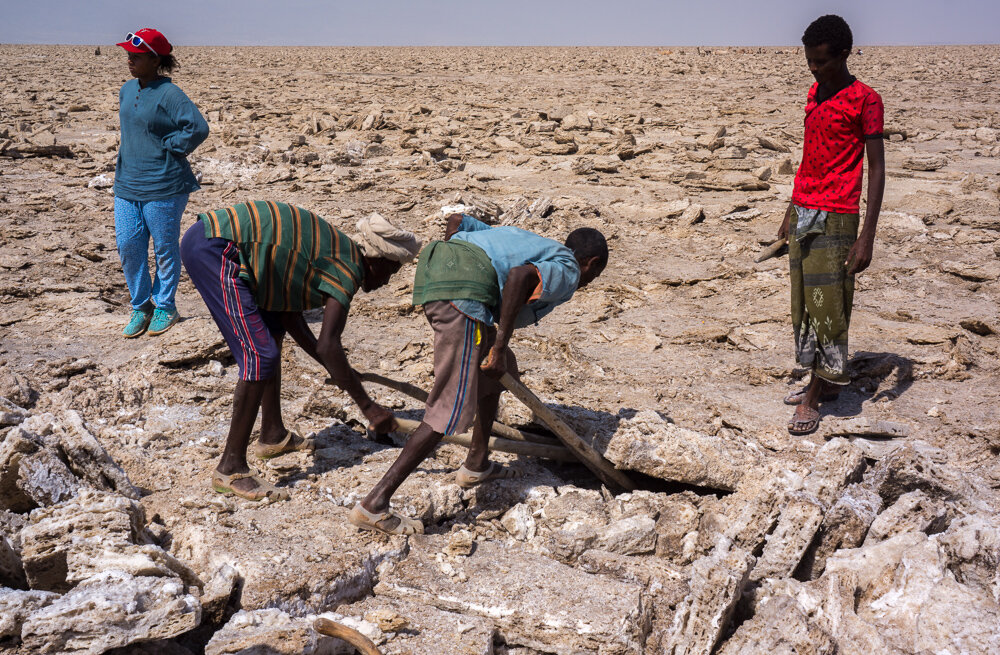
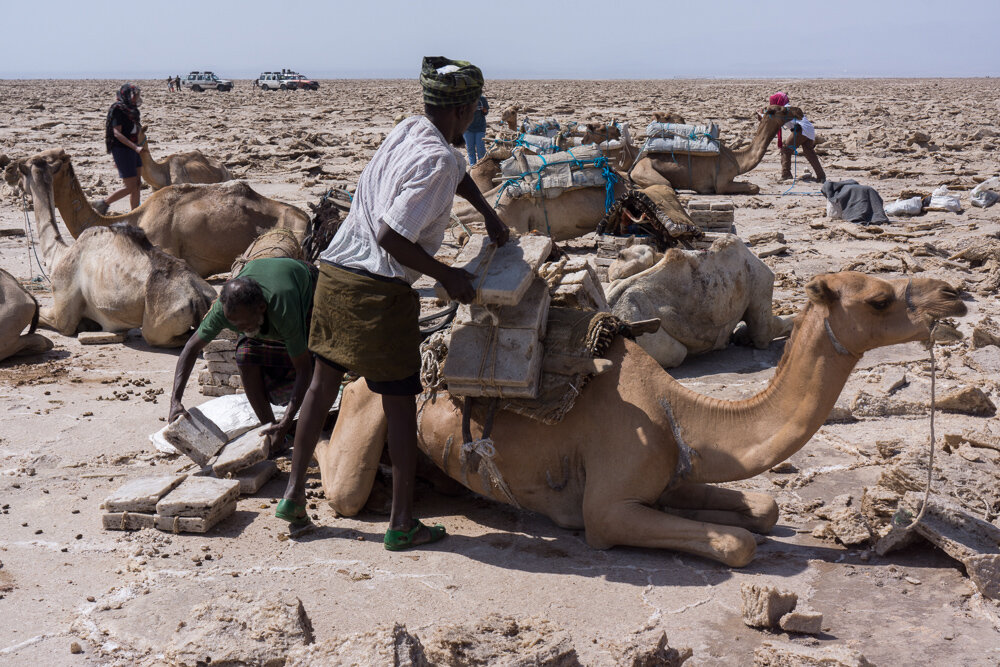
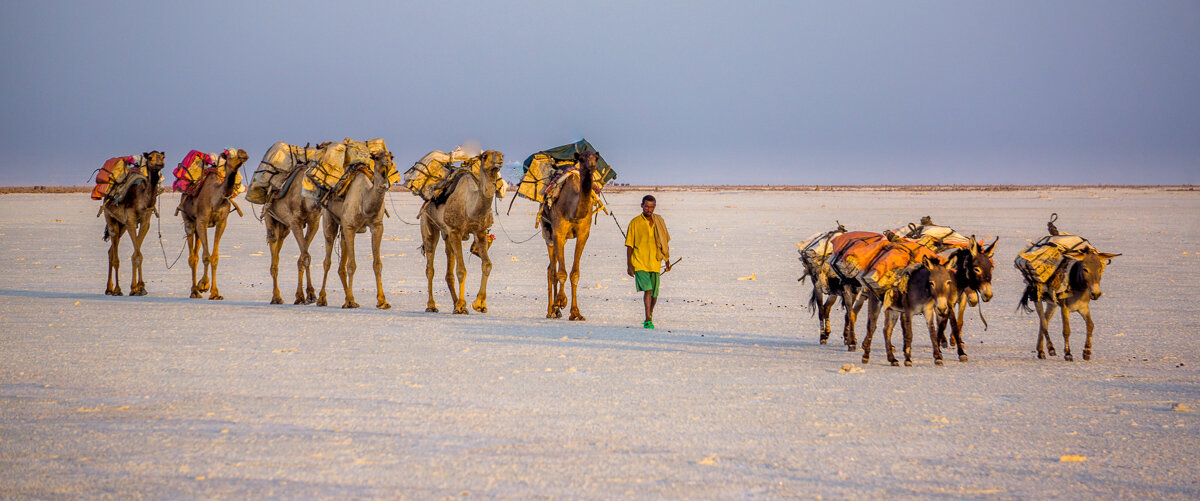
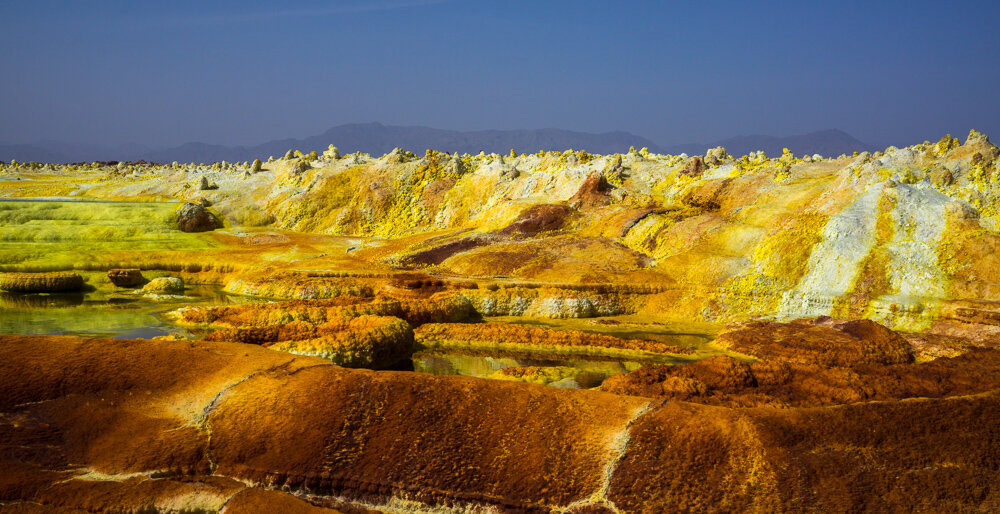
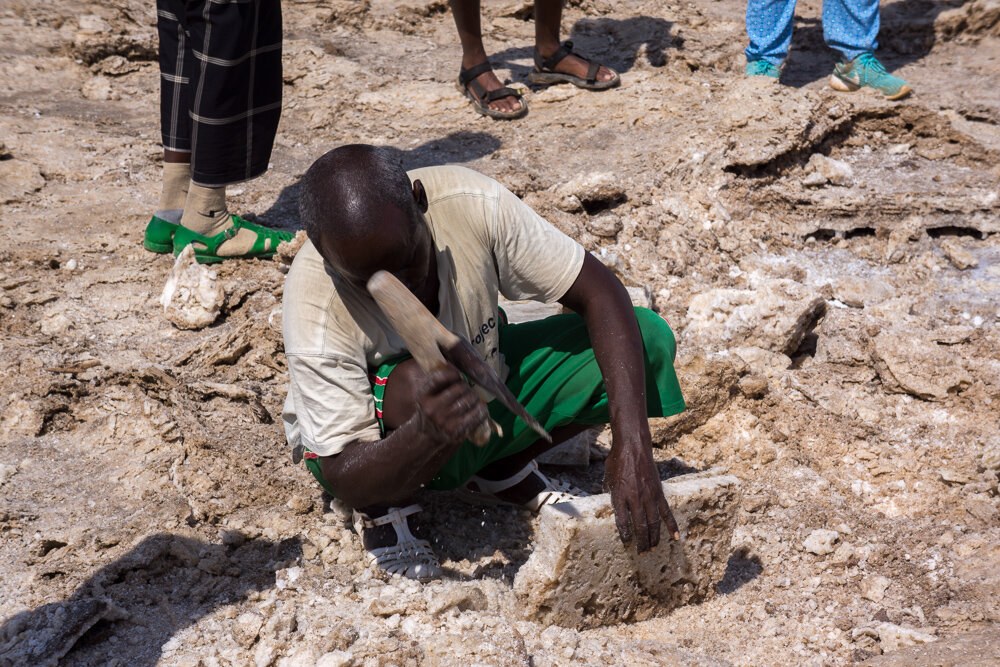
From Lake Afrera we travelled north to Lake Asale (AKA Lake Karum) another sub-sea-level salt lake with extensive salt pan. Both lakes are continually supplied by springs, fed by the Red Sea which is less than 100km to the north - and 100m higher. Salt is also abstracted from Lake Asale, but the extraction method hasn't changed in a couple of thousand years: manually dug from the exposed lake bed and transported on camels to the nearest town. A fearsome task, especially in the desert heat. Also at Lake Asale is Dallol, a breath-taking place - not least because of the sulphuric acid fumes in there air - made up of vibrantly coloured sulphur vents and pools.
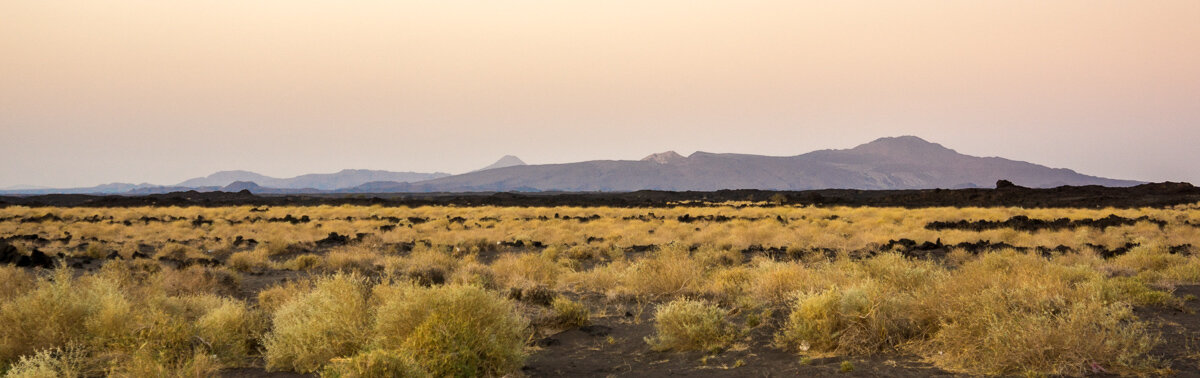
Danakil Desert
Danakil Desert
Sunset
Sunset at Askoma
Askoma
Askoma
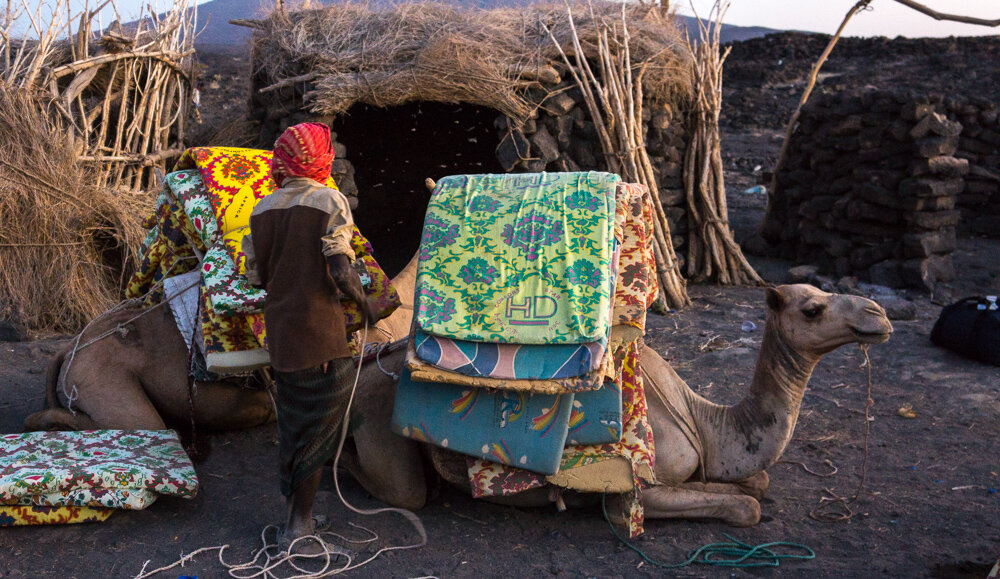
Camels
Camels carrying our bedding
Erte Ale
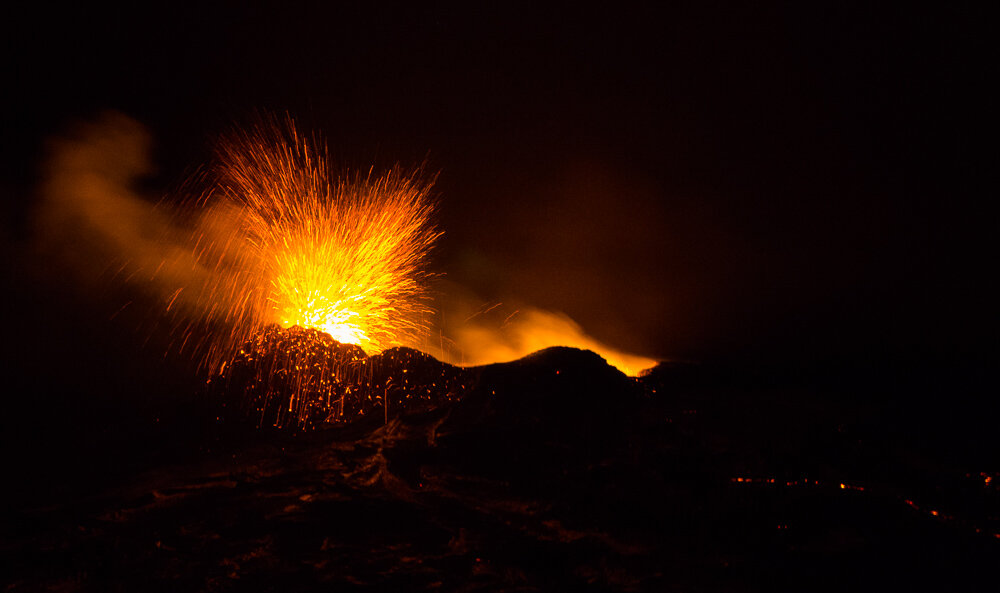
Erte Ale
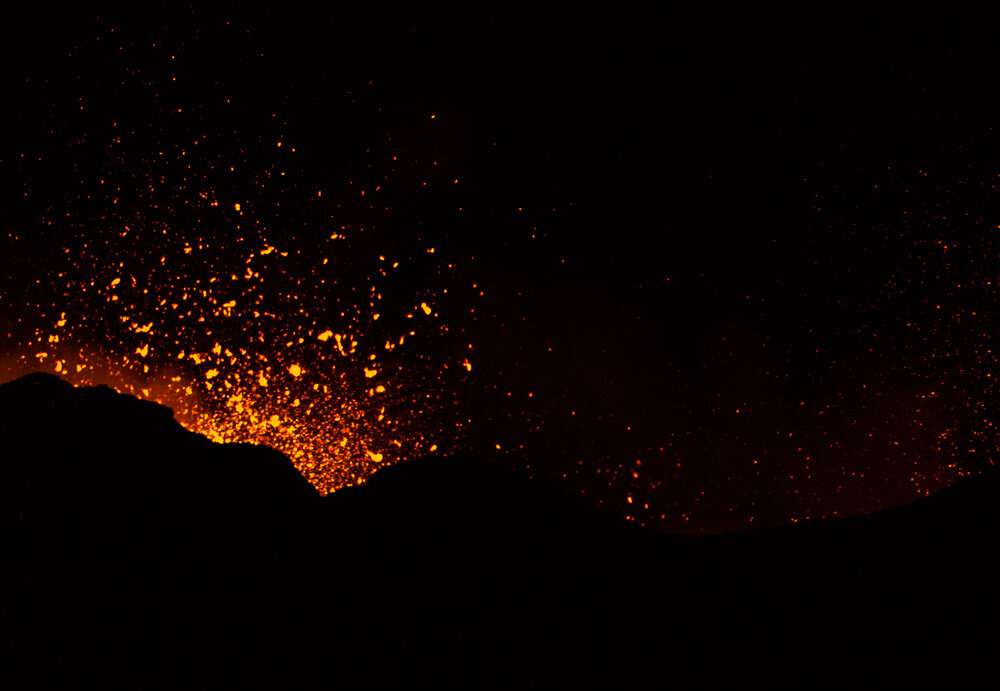
Erte Ale
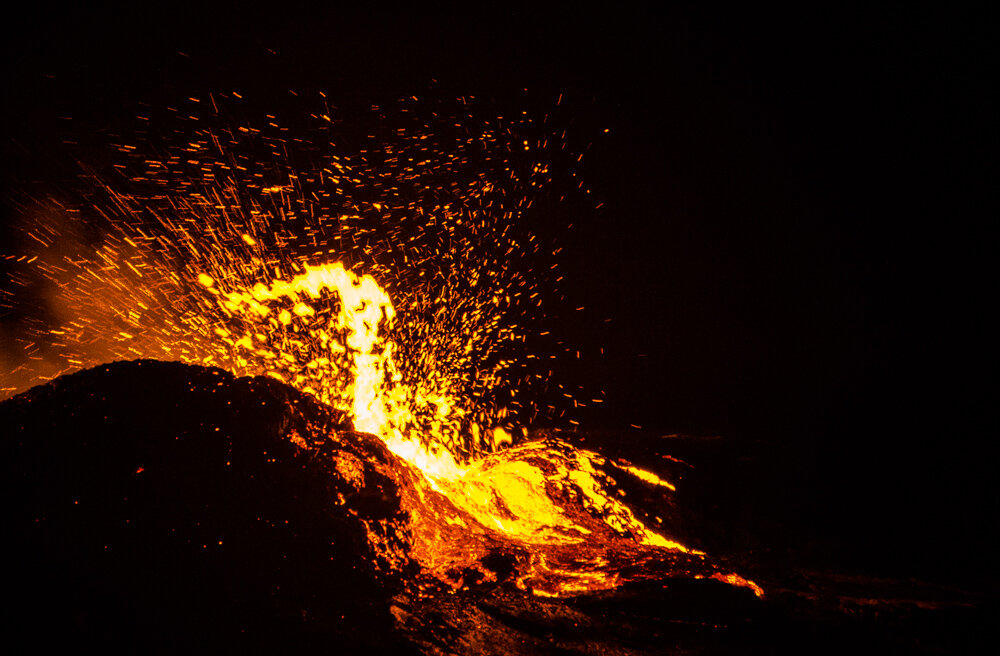
Erte Ale
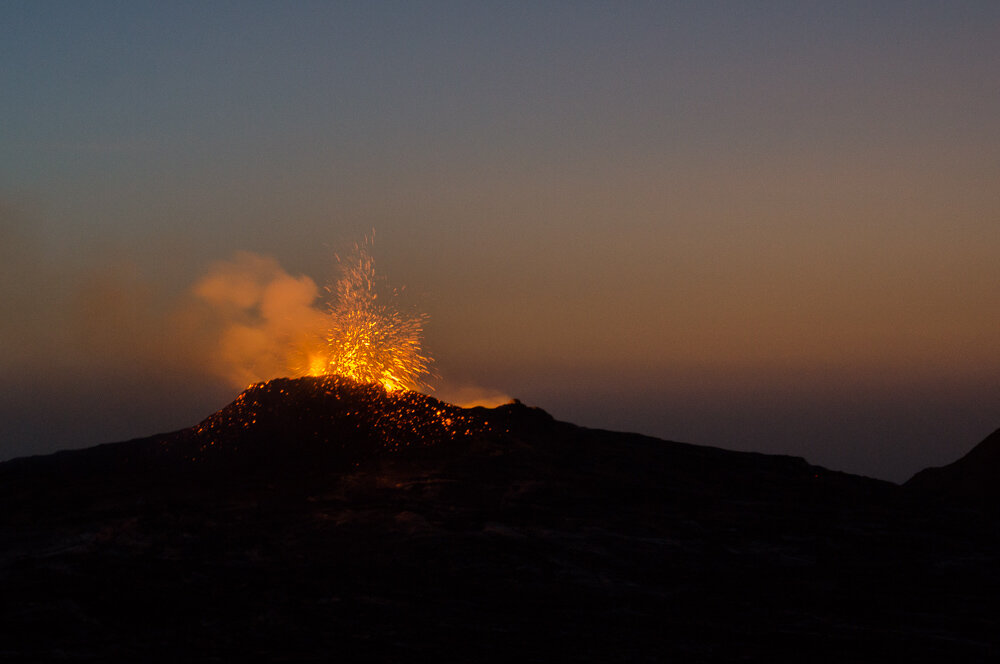
Erte Ale
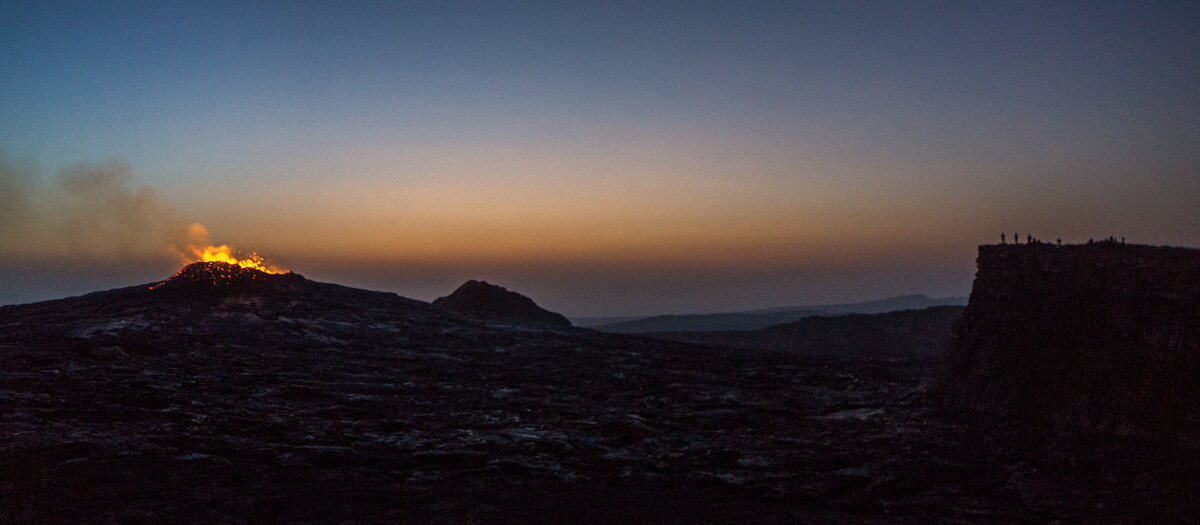
Erte Ale
Erte Ale
Erte Ale
Erte Ale
Erte Ale
Erte Ale
Erte Ale
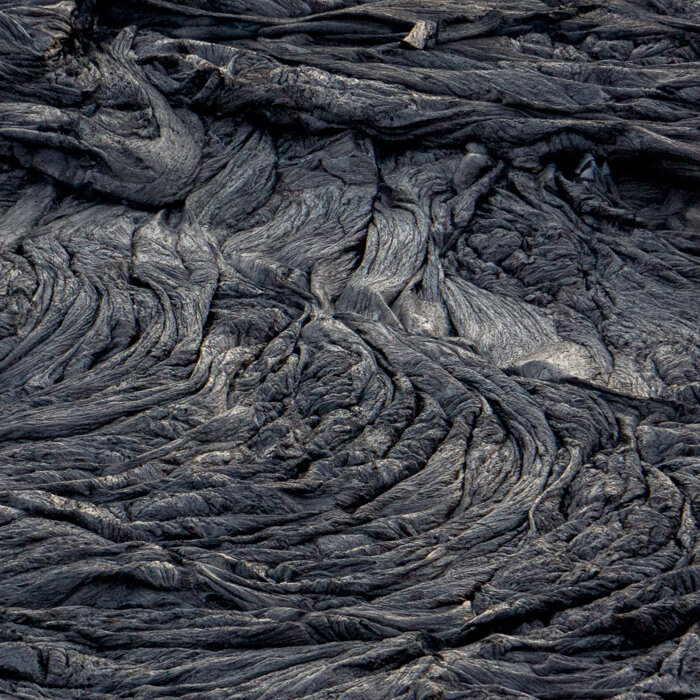
Lava
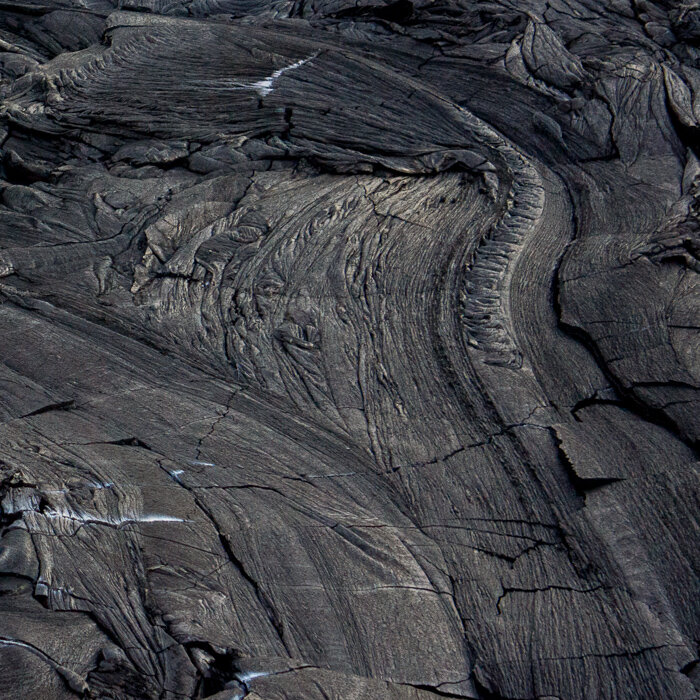
Fresh ropey lava
Lava
Basaltic lava
Erte Ale
Erte Ale
Salt pan
Salt pan at Lake Afrera
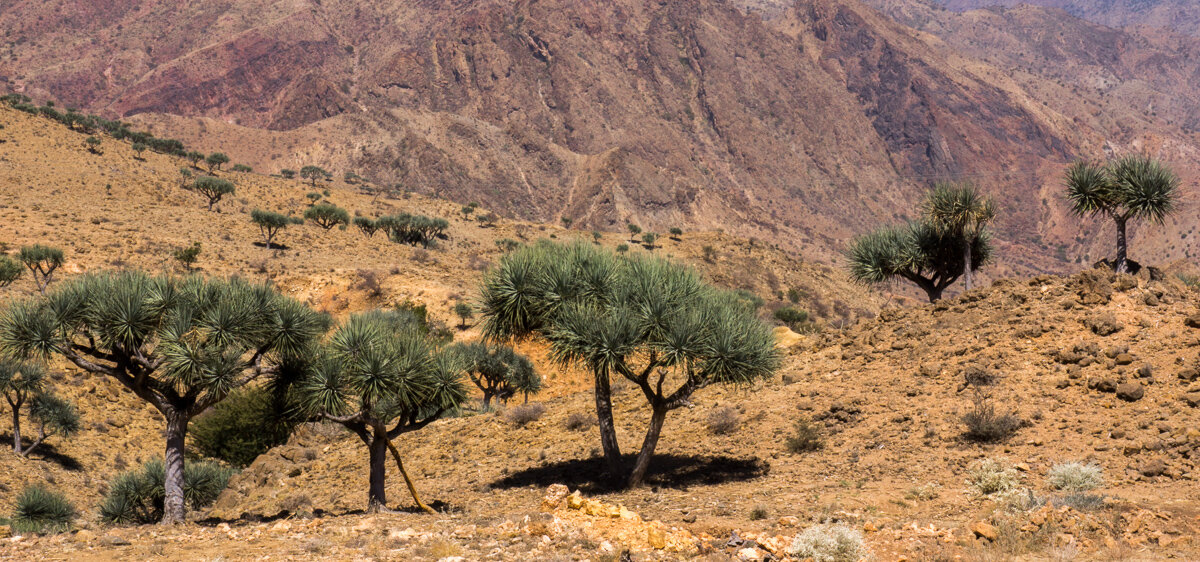
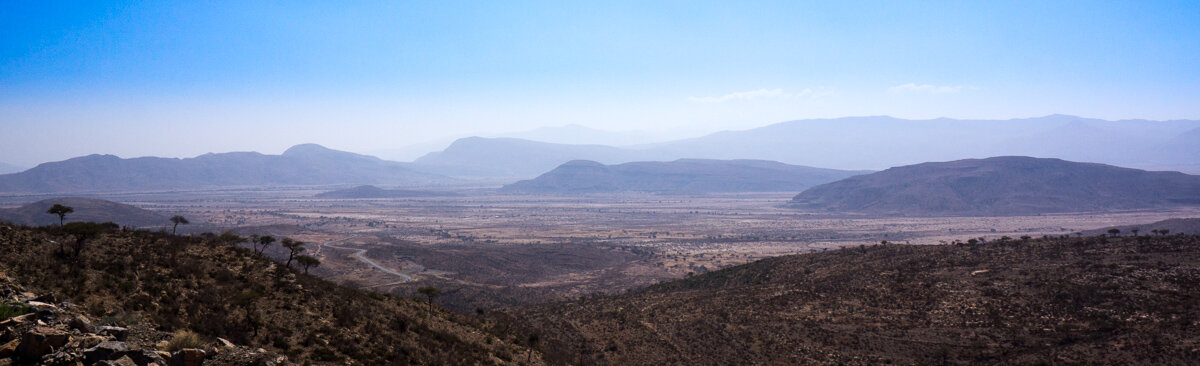
Dragon trees
Dragon trees
Danakil Desert
Danakil Desert
Sunset
Sunset over Lake Asale
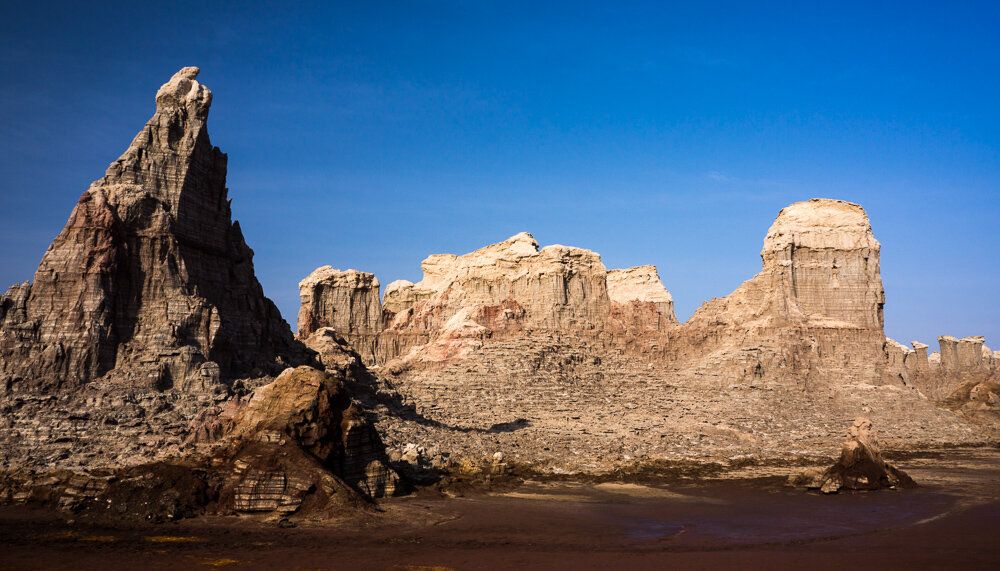
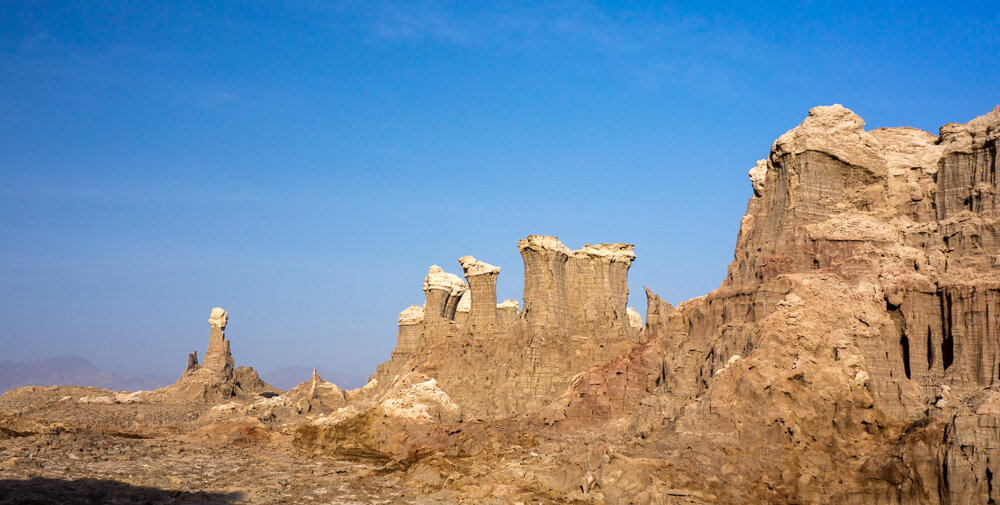
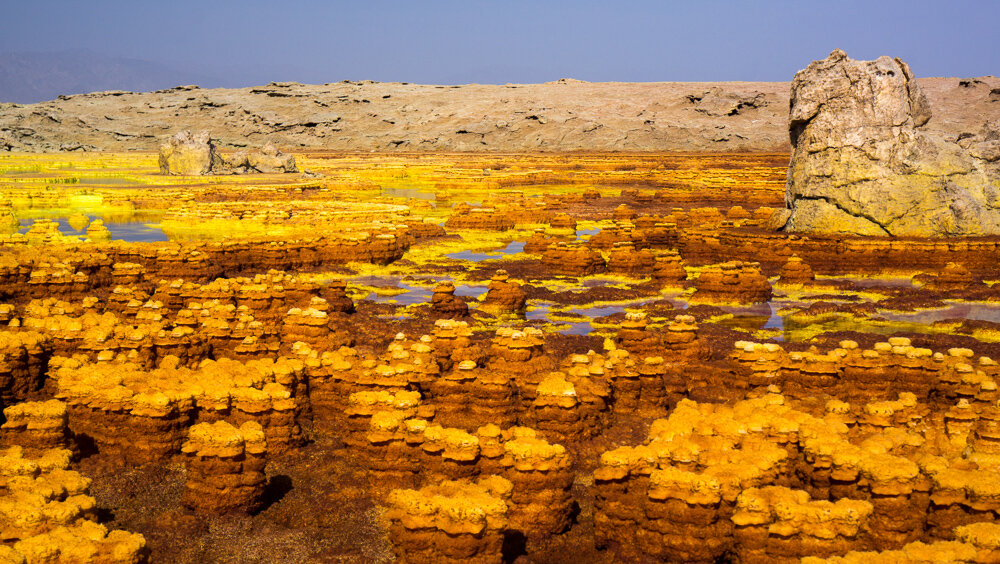
Salt canyons
Salt canyons at Dallol
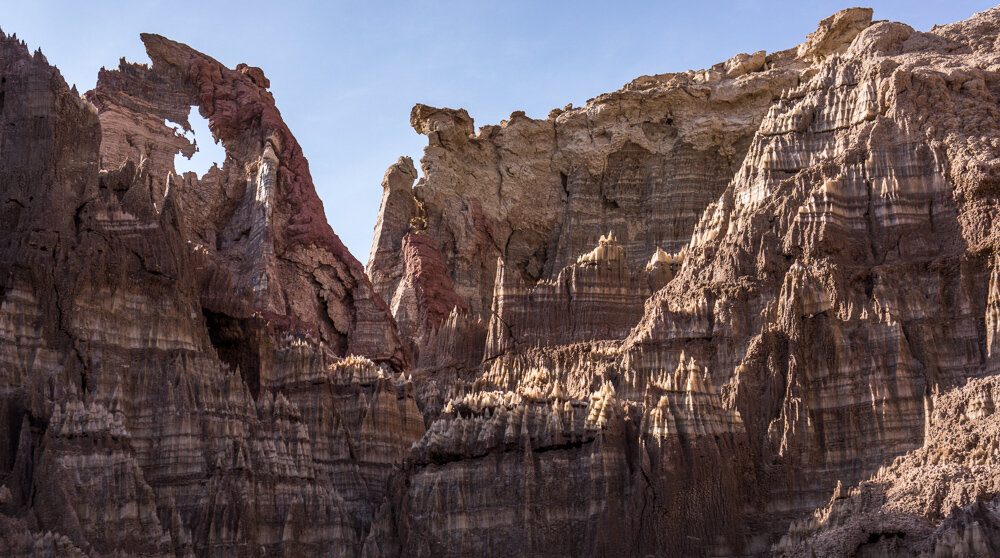
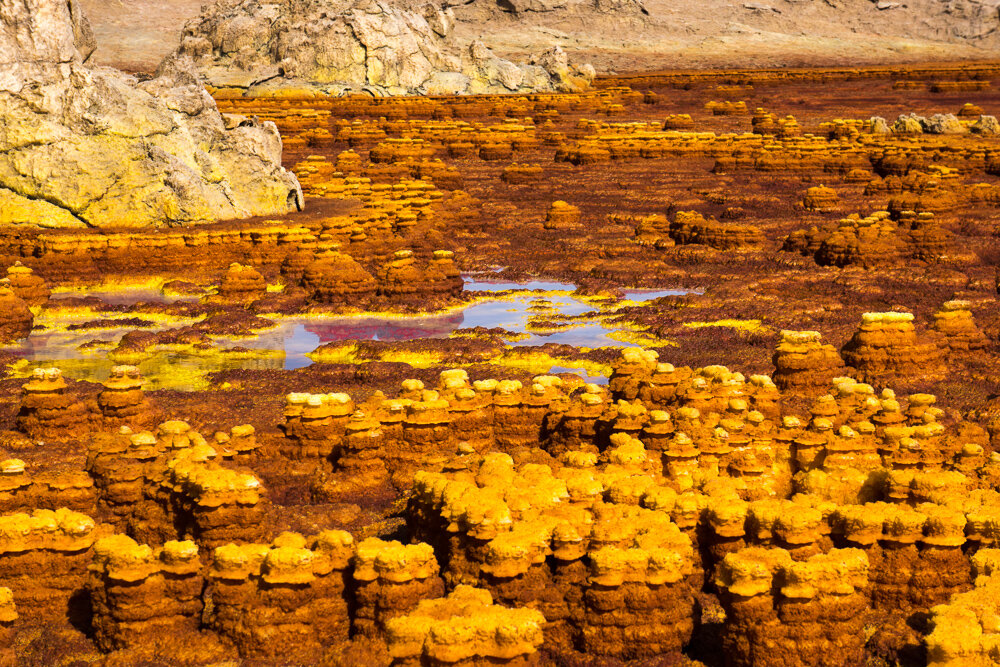
Salt canyons
Salt canyons at Dallol
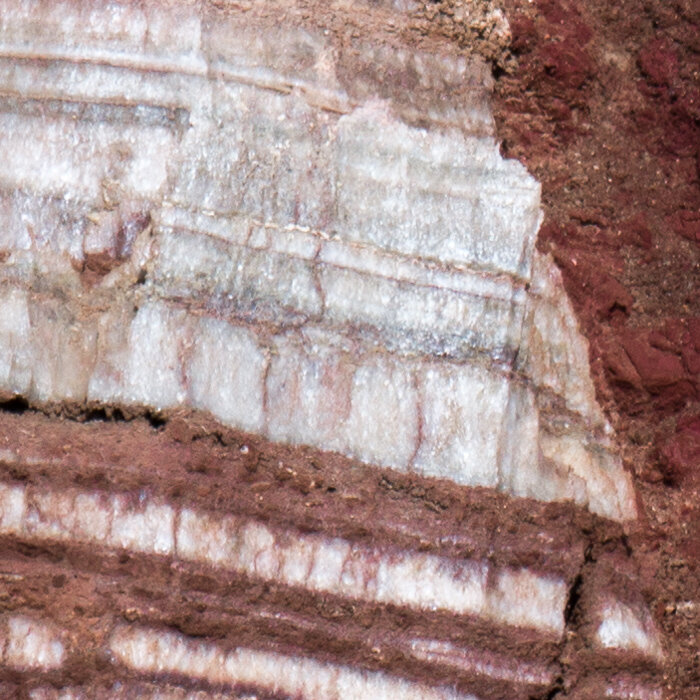
Halite
Halite
Salt canyons
Salt formations
Dallol
Sulphur springs at Dallol
Dallol
Sulphur pools
Dallol
Sulphur vents
Dallol
Dallol
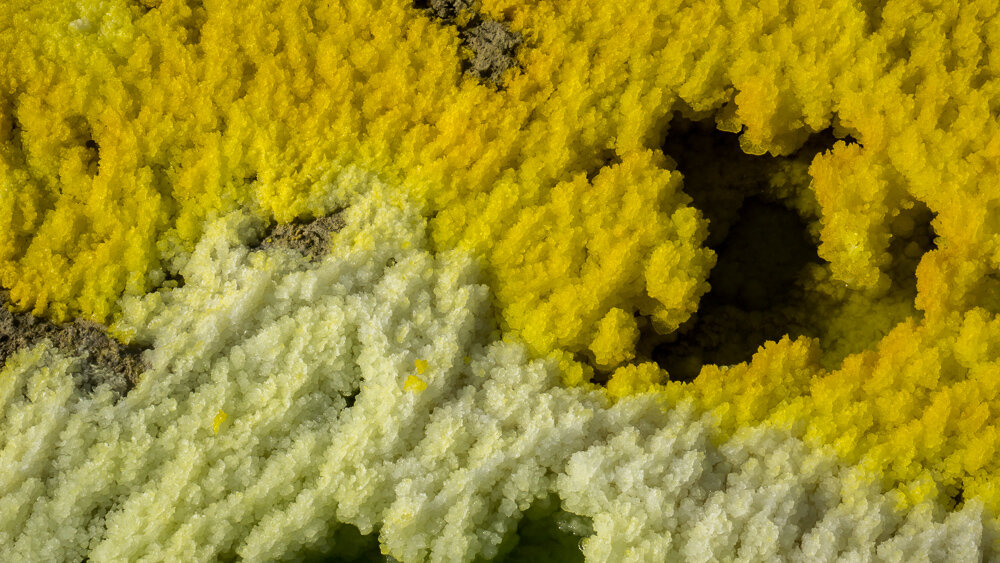
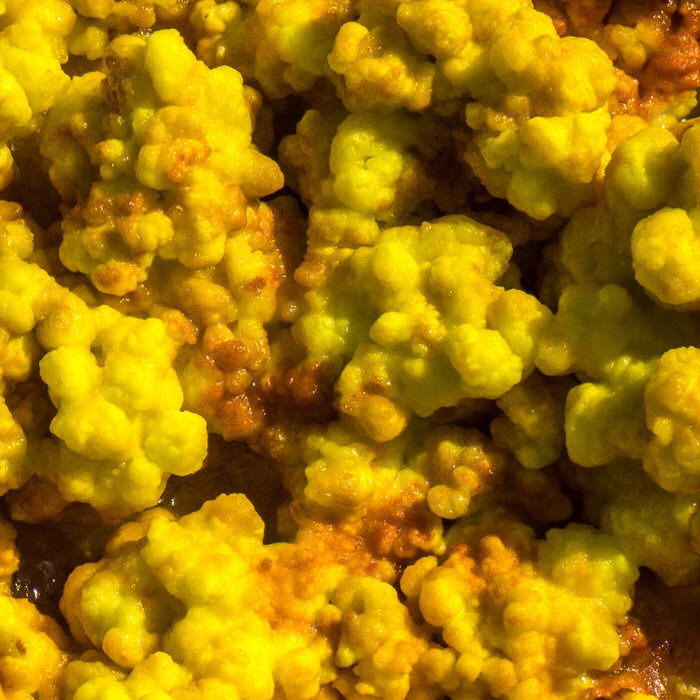
Crystalline sulphur
Dallol
Dallol
Our party at Dallol
Dallol
Dallol
Dallol
Dallol
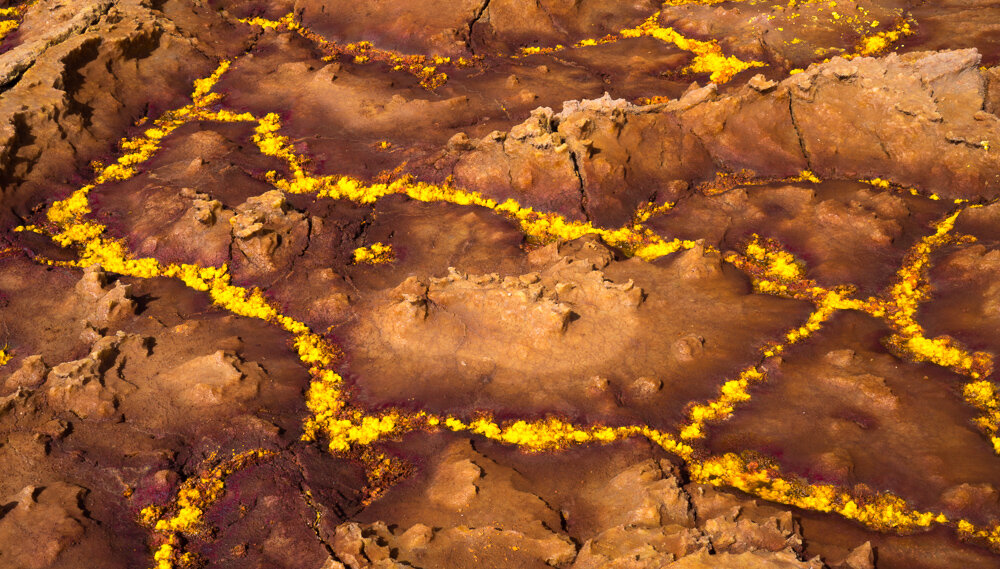
Dried out sulphur pools
Dallol
Dallol
Dallol
Dallol
Dallol
Dallol
Dallol
Dallol
Dallol
Sulphur crystals
Dallol
Dallol
Dallol
Dallol
Dallol
Sulphur spring
Bubbling sulphur pool
Camels
Salt mining: Lake Asale
Salt mining
The diggers first lever up the salt crust…
Salt mining
Then the blocks are shaped into 5kg slabs…
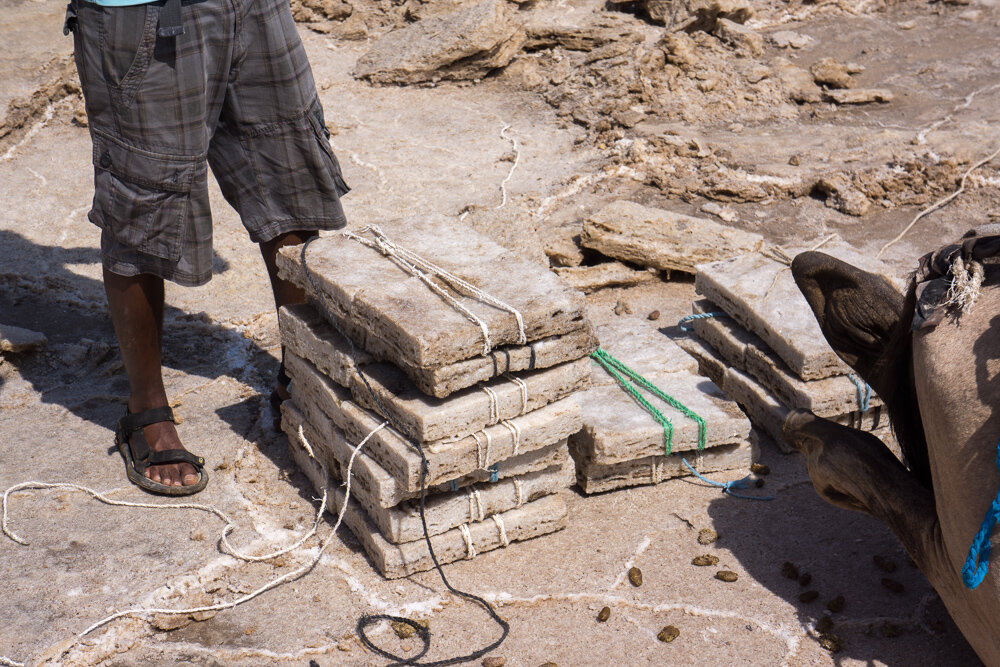
Salt mining
The salt is then bundled up…
Salt mining
And loaded onto camels (and donkeys) for transportation
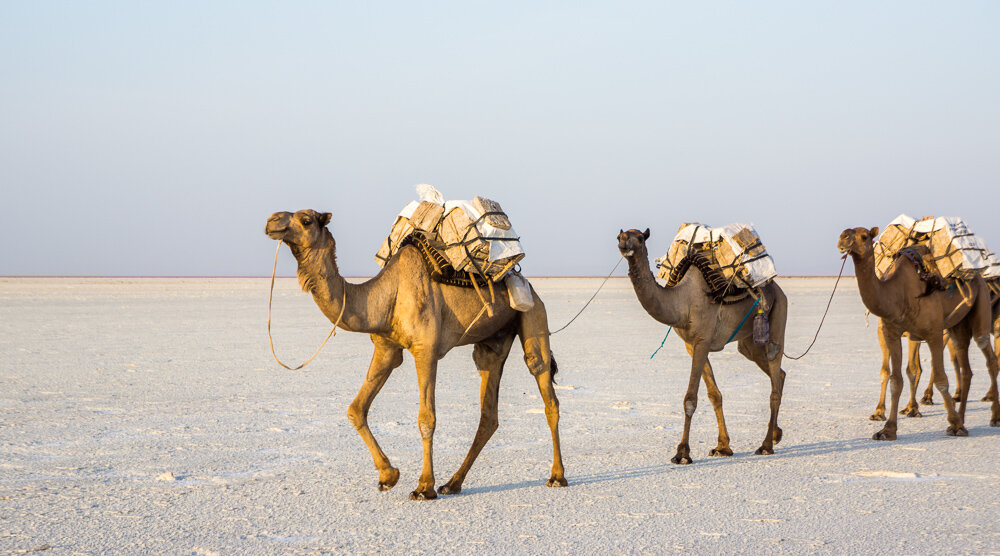
Salt mining
Then the camel trains transport the salt to the nearest town where it is sold on
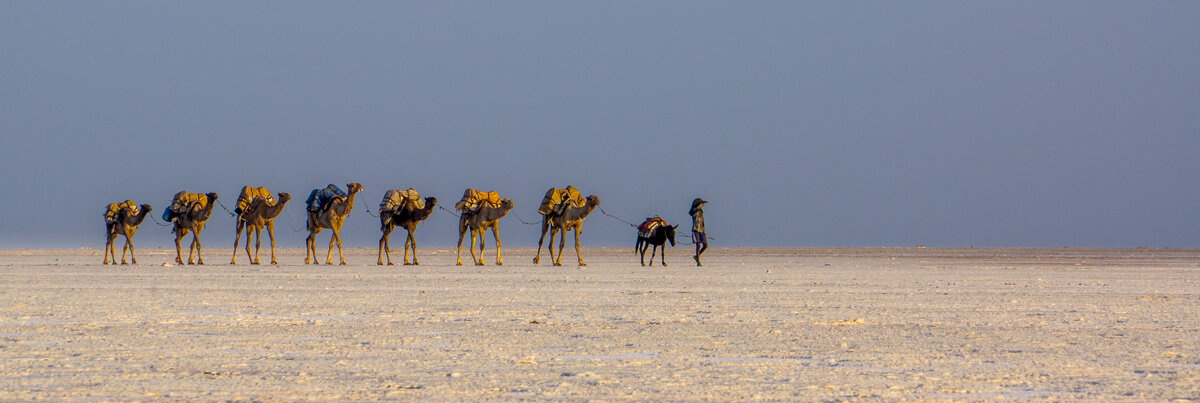
Camel train
The camel trains seemingly appear out of nowhere
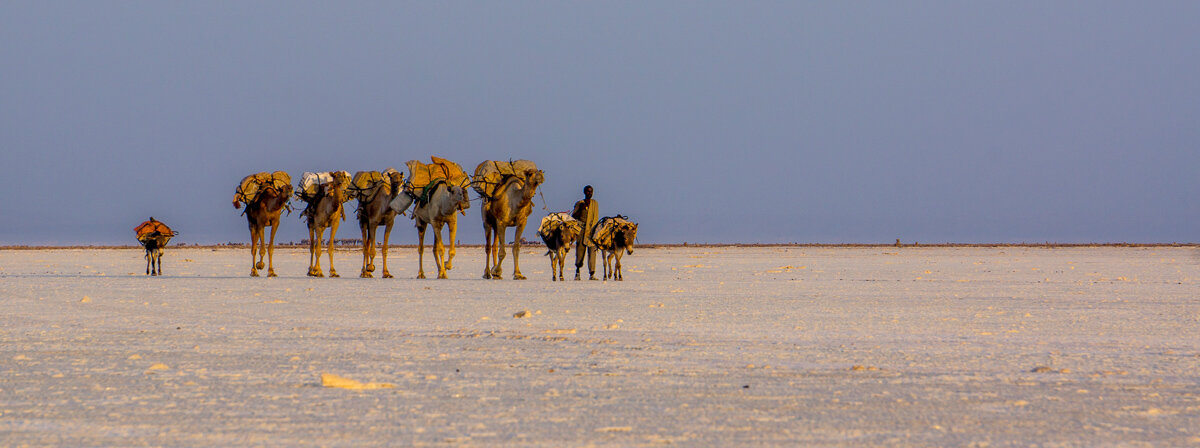
Camel train
Camel train
Locations
Full resolution